A faster low-carbon shift may disrupt markets whilst delay could deepen damage.
Global insured losses from natural catastrophes are expected to keep pressure on the insurance industry unless insurers, regulators and governments improve risk assessment, redesign insurance products and align investments with climate resilience.
Global Asia Insurance Partnership (GAIP)’s three-part research series warns that climate change is pushing the industry towards an “insurability tipping point”, where climate risks become so severe or unpredictable that insurance becomes too expensive or unavailable.
The report said global insured losses from natural catastrophes reached an estimated $107b in 2025, marking the sixth straight year that losses exceeded $100b.
The 2025 Los Angeles wildfires were the costliest wildfire event on record, causing about $40b in insured losses.
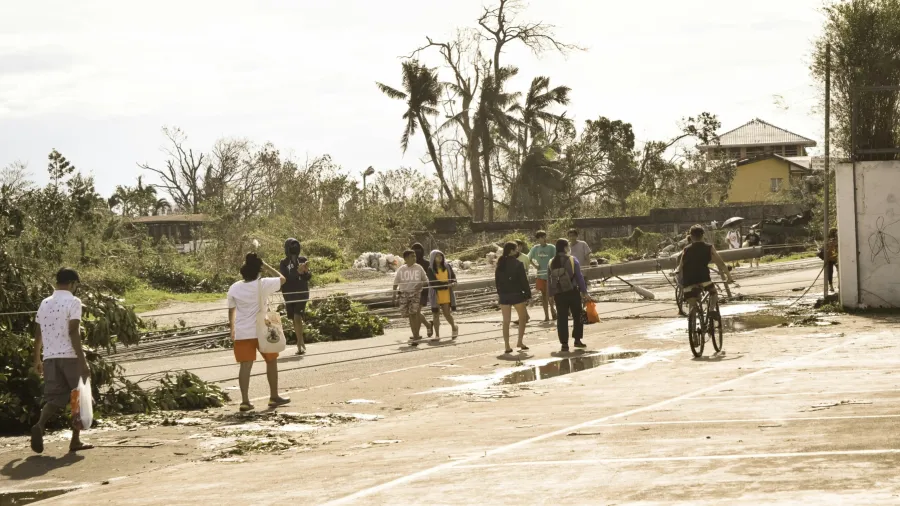
In Asia, severe monsoon rains and cyclones claimed more than 1,600 lives in 2025.
“The question facing the industry is not whether insurance will be impacted, but how prepared we are for the myriad of impacts from climate change,” said Min Hung Cheng, chief executive officer of GAIP. He said preserving insurability would require forward-looking risk management, climate-aligned investments, stronger public-private collaboration and greater efforts to reduce risk.
The research said insurers face two linked challenges: rising losses from physical climate events and new risks created by the global shift to a low-carbon economy.
It said these physical and transition risks should be managed together because they increasingly affect insurers, businesses and communities at the same time.
The report said the effects of climate disasters now extend beyond physical damage to include supply chain disruptions, power outages, business interruption and public health impacts.
As losses increase, insurance premiums may become unaffordable and insurers could withdraw from high-risk markets, as seen in wildfire-prone parts of California in 2023.
GAIP said the insurance industry must balance the risks of climate change with those arising from the transition to a lower-carbon economy.
Whilst a faster transition could create short-term market disruption, delaying action would increase the risk of more severe and potentially irreversible losses in the future.
